

Baby Bottle Cleaning Methods: Safe & Easy Guide for New Moms
Keeping your baby’s bottle clean isn’t just a daily chore—it’s an important part of protecting your little one’s health, especially during the first months of life when their immune system is still so delicate. I know how overwhelming it can feel at first, but I promise, with the right routine and the right baby bottle cleaning methods, everything becomes easier and more comforting for both you and your baby. Let’s walk through the safest and most effective ways to clean and sterilize baby bottles—gently, step-by-step—so every feeding is a moment you can feel confident about.

Why Proper Bottle Cleaning Matters
As moms, we always want to give our little ones the purest, gentlest start. Keeping bottles truly clean plays a big role in that. Here’s why it matters:
- Protects baby’s delicate immune system
In the first months of life, a baby’s immune system is still developing. When bottles are cleaned properly—and with the right baby bottle cleaning methods—we reduce exposure to harmful germs, giving their tiny bodies a safer environment to grow stronger. - Prevents bacteria and fungus growth
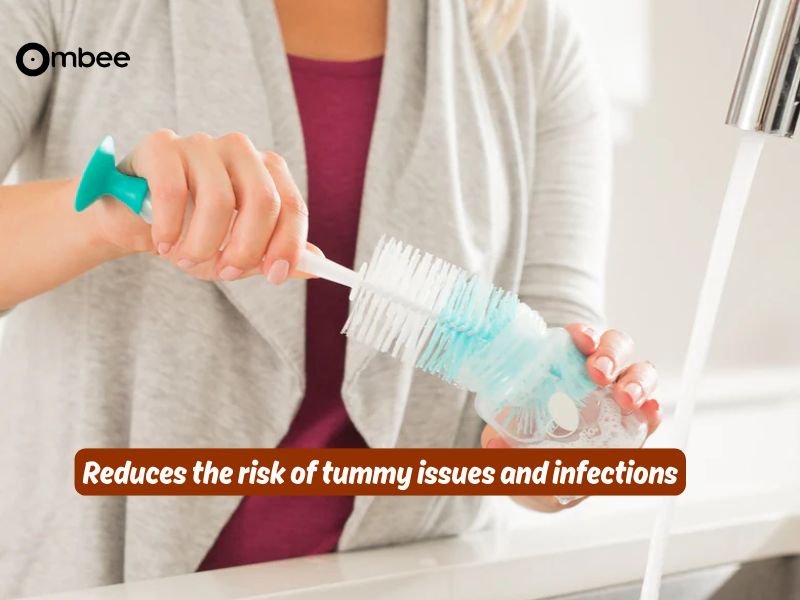
Milk residue can stick to bottle walls, the threads of the bottle neck, and especially inside the nipple. Even if it looks clean, invisible bacteria and yeast can remain and multiply quickly if not washed and dried thoroughly. - Reduces the risk of tummy issues and infections
Bottles that aren’t fully cleaned can lead to stomach discomfort, gas, diarrhea, or infection. Consistent, thorough cleaning helps protect your baby from avoidable digestive troubles and keeps feeding time peaceful. - Creates peace of mind for mom during every feeding
When you know your bottles are truly clean, you can feed your little one with confidence. No second-guessing. No worry. Just a calm, happy moment shared between you and your baby.
- Builds a healthy feeding routine
Proper hygiene becomes a nurturing habit—just like burping after a feed or tucking baby in for naps. The right baby bottle cleaning methods make each step smoother and more reassuring for moms who want to care with intention and love.
Step-by-Step: Before Sterilizing, Always Clean First
No matter which baby bottle cleaning method you choose later, you should always begin with these basic cleaning steps:
- Take the bottle apart completely—separate the bottle, ring, nipple, and vent system (if there is one).
- Rinse with cool or warm water right after feeding—this prevents milk from drying and sticking.
- Use a baby-safe bottle soap and soft brush to remove milk residue from every corner, including inside the nipple.
- Rinse again thoroughly to ensure no soap remains.
Once the bottle is clean, you can move on to sterilizing.
Baby Bottle Cleaning Methods (Main Section – Expanded as requested)
Below are the most common and effective baby bottle cleaning methods. Each one is safe when done properly, so you can choose what fits your home, lifestyle, and schedule best.
1. Boiling Method
This traditional method is simple and effective, especially for newborns who need extra protection. After cleaning, place all parts of the bottle into a pot of boiling water, making sure everything is fully submerged. Let it boil for 5–10 minutes, then remove the parts with clean tongs and air-dry them on a dedicated drying rack. This method kills most bacteria and is cost-friendly, though it can wear down some plastic bottles over time.
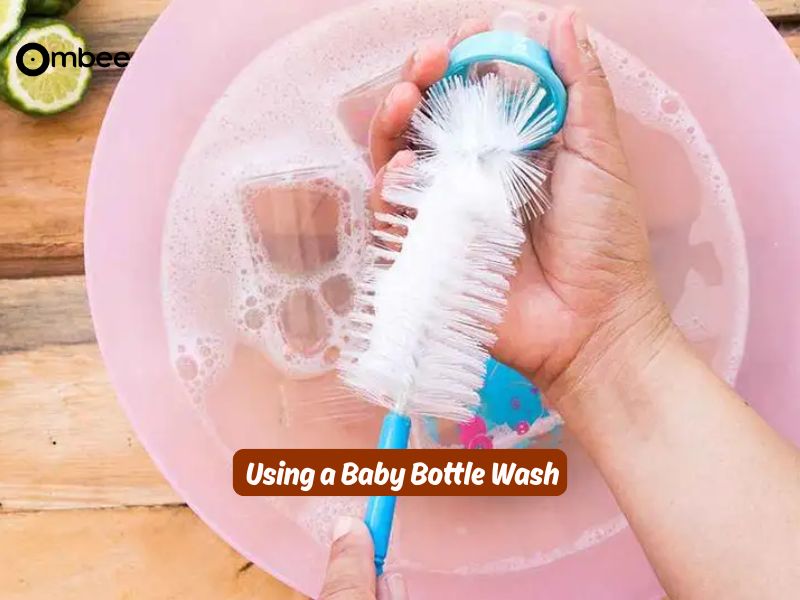
2. Using a Baby Bottle Wash (Soap + Brush Routine)
Some days, you might not need to sterilize—especially when your baby is older—but you still need a thorough cleaning routine. A baby-safe bottle soap helps break down milk residue more effectively than water alone. Make sure you gently scrub every part, squeeze the nipple to flush soap through the opening, then rinse several times until the bottle feels squeaky clean. This method is gentle and safe for daily use.
3. Microwave Steam Cleaning
This is a favorite for busy moms who want to save time. You’ll place your clean bottle parts inside a microwave steam bag or microwave-safe steam sterilizing container, add water, and heat for 3–8 minutes (depending on brand instructions). The steam reaches high temperatures that kill harmful bacteria quickly. It’s fast and convenient, especially if you’re juggling work, pumping, and sleepless nights.
4. Electric Steam Sterilizer
If you clean bottles often, this might be the most convenient of all baby bottle cleaning methods. After cleaning, place all bottle parts into the sterilizer, add the recommended amount of water, close the lid, and press start. In 8–15 minutes, the machine uses high-temperature steam to sterilize everything—even tiny crevices you can’t reach with brushes. Some models also dry the bottles, which means you can store them immediately. The only downside is cost, but many moms find it worth every penny.
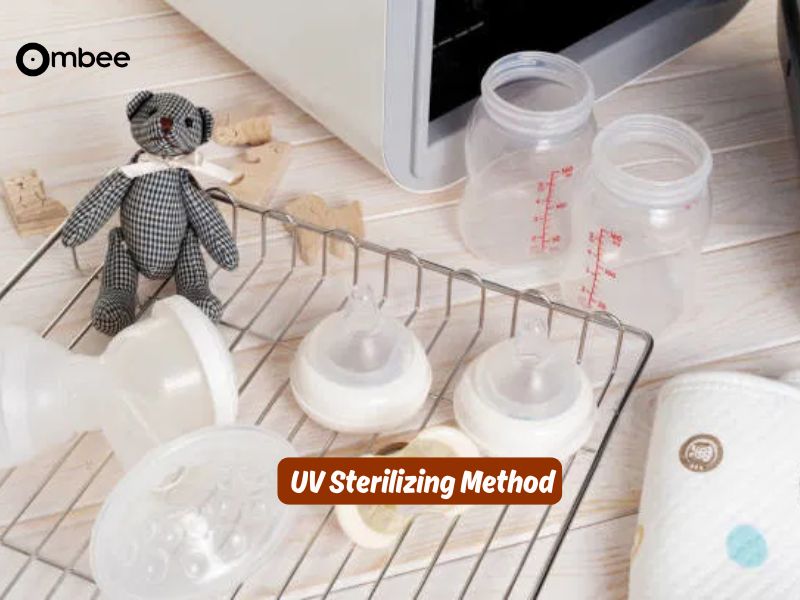
5. UV Sterilizing Method
UV sterilizers use ultraviolet light to kill up to 99.9% of germs without heat or steam. They are modern, extremely effective, and don’t cause plastic wear. Just place your clean bottle parts inside, set the cycle, and wait while the UV light does its job. This method is popular in the US for families who prioritize convenience and hygiene, though it’s also one of the more expensive options.
6. Dishwasher Cleaning Method
If your dishwasher has a high-heat setting or sanitizing mode, it can be part of your bottle-cleaning routine. Place small parts in a baby bottle basket, run a hot wash, and let everything dry completely. It doesn’t replace sterilizing for newborns, but it’s a great everyday method once your baby is bigger.
Important Hygiene Tips for Moms
To keep bottles truly safe:
- Always let bottles air dry instead of wiping them with towels (which can add bacteria back).
- Replace nipples every 2–3 months.
- Store dry, sterilized bottles in a closed, clean container or cabinet.
- Sterilize daily for babies under 3 months, babies born prematurely, or babies with weak immunity.
Final Thoughts
There’s no single “perfect” choice—only the baby bottle cleaning methods that fit your life and keep your little one safe. Whether you prefer boiling, steam sterilizing, UV, or a simple wash, what matters most is being consistent and gentle with yourself. You are doing great, and your baby is lucky to have a mom who cares this deeply.
Read more: